%20avif.avif)
.avif)
What is preventive property maintenance?
Why are emergency repairs pricier?
How often should rental properties be inspected?
Can preventive maintenance reduce operating expenses?
How does property management help prevent costly repairs?
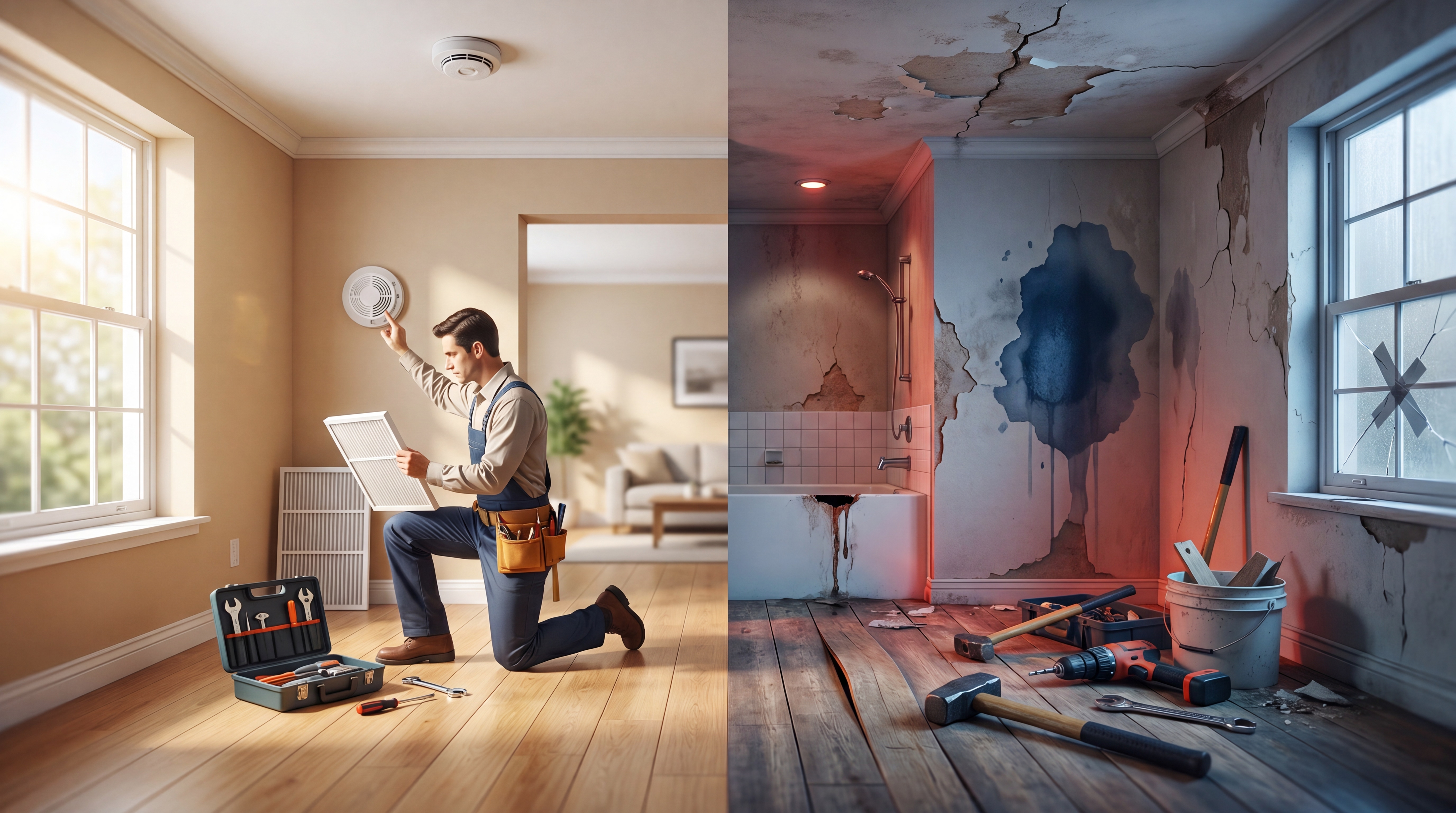
Many landlords only address broken items. A leaking pipe, a malfunctioning HVAC system, or a roofing issue often only gets attention after it has become an issue. Although this method may appear to be cost-effective in the short run, it typically results in increased expenses, operational disruptions, and needless stress in the long run.
Effective property maintenance isn’t just about reacting to issues as they arise; it’s about proactively identifying and addressing potential problems before they become costly emergency repairs. Undetected minor maintenance problems can escalate into major problems that impact property condition, tenant satisfaction, and overall profitability. For property owners, a proactive maintenance strategy is often one of the best ways to protect both the property and the long-term return on investment.
Many maintenance issues begin as small, manageable problems but become significantly pricier when left unaddressed.
Many landlords view maintenance as an expense that should be delayed until absolutely necessary. However, the numbers often tell a very different story. When maintenance is approached proactively, property owners can avoid many of the costs and disruptions that come with unexpected failures and urgent repairs.
Unexpected breakdowns rarely happen at a convenient time. Emergency service calls often require immediate contractor availability and expedited work and repairs after damage has already occurred. Studies show that emergency repairs can cost 3–5 times more than addressing the same issue through planned maintenance before it escalates.
Properties that follow a structured preventive property maintenance program often experience significantly lower operating costs. Research indicates that proactive maintenance can reduce annual maintenance spending by as much as 44% by identifying small issues early and preventing larger system failures.
Think of preventive maintenance as an investment, not an expense. According to industry data, $1 investment in prevention can save $5 to $8 in reduced repair costs, minimized downtime, and extended life of building systems and equipment. That’s one reason many property owners choose to work with a professional property maintenance company that is focused on prevention rather than being reactive to issues after they happen.
A proactive maintenance strategy does more than prevent repairs; it helps reduce operational risk across the entire property. By identifying issues early and addressing them before they escalate, landlords can create a more stable, predictable, and cost-effective environment for both tenants and property operations.
One of the biggest advantages of proactive maintenance is its impact on emergency situations. Studies show that preventive maintenance programs can eliminate 60–80% of emergency service calls, helping property owners reduce risk, improve operational consistency and avoid many of the costs associated with urgent repairs.
Property performance is not determined by a single repair or maintenance decision. It is the result of consistent care over time. Properties that follow a structured maintenance approach are often better positioned to control costs, maintain tenant satisfaction and protect long-term value.
Building systems and property components naturally experience wear and tear over time. However, proactive maintenance can significantly slow that process. Studies indicate that assets can last up to 60% longer with proactive care, helping property owners delay costly replacements and maximize the value of existing systems.
Tenants are more likely to remain in a property when maintenance issues are addressed promptly and the property is consistently cared for. A well-maintained environment creates a better living experience and helps strengthen long-term tenant relationships.
Regular upkeep helps preserve the condition of the property, reduce deferred maintenance issues and support stronger long-term value. Through organized maintenance coordination, property owners can address concerns before they escalate, helping protect both the property's condition and its future market value.
Many property owners address maintenance only when problems arise. At Smart Key Property Management, the focus is on identifying and resolving potential issues before they develop into costly repairs or operational disruptions. This proactive approach helps improve property performance, reduce risk and create a more predictable maintenance process.
One of the ways Smart Key supports proactive maintenance is through a complimentary one-hour property visit and evaluation each month for every property under management. This review helps identify potential issues early, reduce emergency situations, and support stronger long-term property performance. As part of our broader property management approach, we focus on prevention, planning and ongoing oversight to help property owners protect their investments and avoid unnecessary costs. For a complete overview of our services, visit Smart Key Property Management.
Most expensive repairs start as minor problems that could have been fixed earlier. Unfortunately, waiting for something to break often means higher repair costs, more disruption to operations and added pressure on landlords and tenants alike. Delaying maintenance may seem like a way to cut costs in the short term, but it often has a more expensive payoff down the road.
The key to effective property maintenance is prevention rather than reaction. A structured proactive property maintenance program can help minimize emergencies, extend the life of building systems, improve tenant satisfaction and create more predictable operating expenses. Identifying problems early and addressing them before they escalate can reduce long-term expenses and maintain the performance and value of a property owner’s investment.
Often the least expensive repair is the one that doesn’t become an emergency repair in the first place.