NYC Property Insurance Costs Are Rising in 2026: What Landlords Can Do About Higher Premiums
For landlords, rising NYC property insurance costs mean more than a higher renewal bill. They can tighten operating budgets, complicate forecasting and reduce flexibility for maintenance and repairs.
Landlords may not control the insurance market, but they can control how well their property is maintained, documented and financially managed.
Why Are Property Insurance Costs Rising in NYC?
There is rarely one reason a property's insurance premium changes. Building-level risk factors and broader insurance-market conditions can both influence property insurance rates in NYC.
Building and Claims History
A property's prior losses and claims can form part of its overall risk profile. The type of incident, how often losses have occurred and their severity may all be considered alongside the broader history of the building. This does not mean one previous claim determines the next premium, but claims history can be one piece of the overall assessment.
Building Condition and Characteristics
Age alone does not define a property's risk. Building type, physical condition, safety issues and the condition of major systems such as roofing, plumbing, electrical, heating and fire-safety equipment can also matter. For landlords, these are closely connected to day-to-day property operations and maintenance.
Liability and Property-Level Risk
Unresolved hazards, recurring maintenance problems, incidents and incomplete documentation can add to the broader risk picture surrounding a rental property. Clear inspection, repair, incident and vendor records help owners maintain visibility into how property-level issues were identified and addressed.
Coverage, Deductibles and Insurance-Market Conditions
Premiums also need to be viewed alongside the insurance being provided. Different coverage limits, deductibles, exclusions, policy structures and market availability can make two quotes difficult to compare on price alone.
NYC Council materials have noted that rising premiums for affordable housing have also been accompanied by reports of higher deductibles and lower coverage amounts. That is why rising property insurance costs should be considered alongside the actual scope of insurance coverage, not as a standalone number.
Higher Premiums Don't Stay on the Insurance Line of the Budget
A higher insurance renewal affects more than one line in the budget. Because insurance is part of a property’s operating expenses, rising premiums can tighten margins, reduce flexibility for repairs and reserves and put pressure on net operating income.
Unexpected increases also make forecasting harder. Budgets based on previous premiums can quickly become outdated, while maintenance, compliance, repairs and tenant-related needs still have to be funded.
New York City has made the same connection in affordable housing, noting that rising insurance costs can pull resources away from maintenance, repairs and tenant services.
When one major expense becomes less predictable, owners need better visibility into the costs they can still manage. Strong property accounting and financial reporting helps track NYC landlord operating costs, compare actual spending against budgets and identify pressure before it spreads across the property.
The Pressure Isn't Identical Across Every NYC Property
The increases documented by NYC are especially significant in affordable and rent-stabilized housing, so one percentage should not be applied to every landlord across the city.
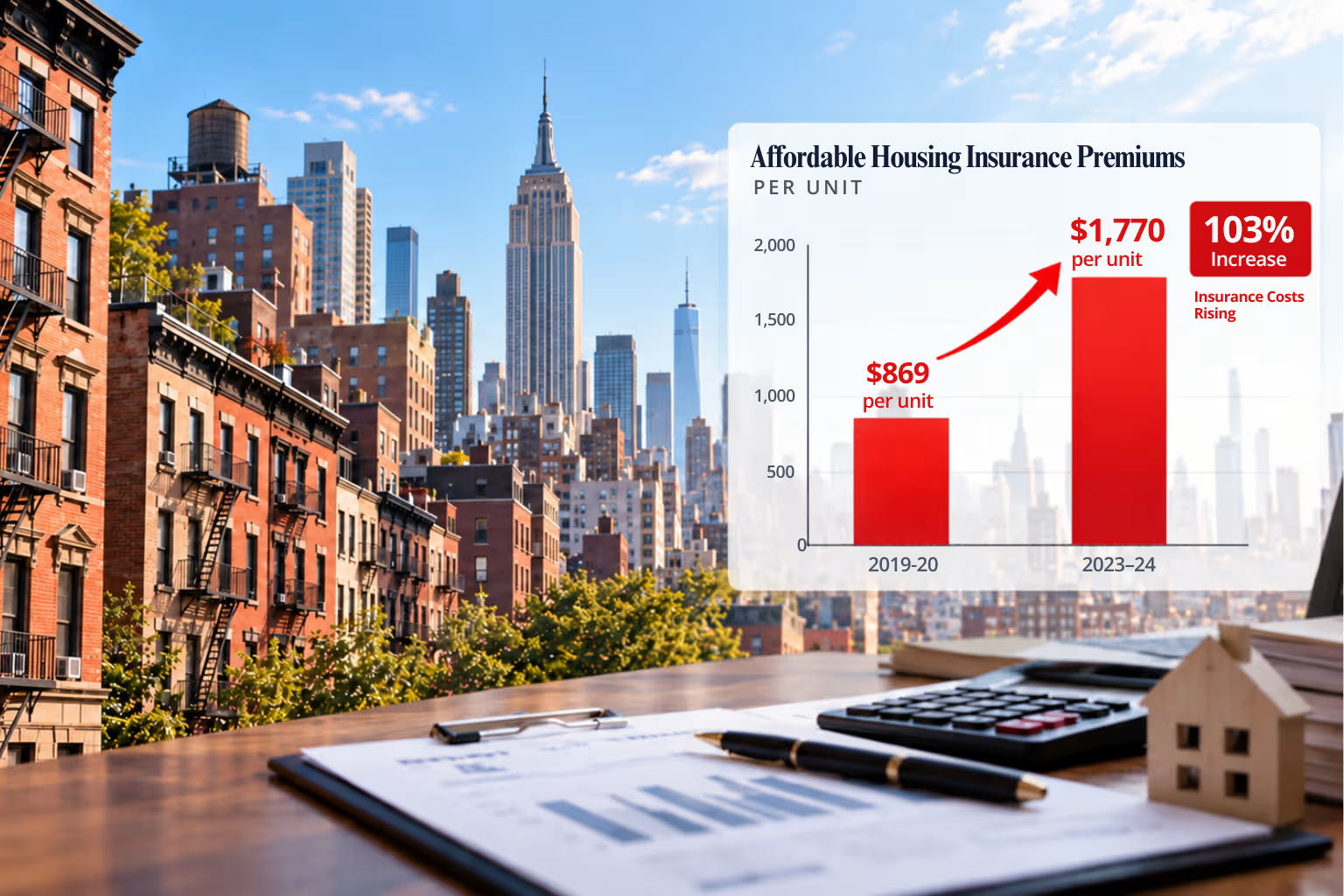
- Affordable housing: Average annual insurance premiums rose from $869 per unit in 2019–20 to $1,770 in 2023–24 a 103% increase.
- Rent-stabilized housing: Reported insurance costs increased 52% between 2020 and 2023.
- Multifamily properties: Owners operating with tighter margins may feel the impact more strongly, but not every building seeking multifamily property insurance in NYC will see the same increase.
- 2026 city response: NYC advanced a $100 million city-backed insurance initiative focused on affordable and rent-stabilized housing, with about 20,000 regulated homes targeted for the first phase in 2027.
- Important distinction: This is not a universal landlord insurance NYC solution. Premiums still vary by property, coverage, claims history and market conditions.
Landlords Can't Control the Insurance Market. They Can Control the Property.
Landlords cannot control the wider insurance market, but they can control how well their property is maintained, documented, monitored and financially managed.
Keep Maintenance From Becoming Deferred Maintenance
Routine inspections, early repairs and regular attention to major building systems can prevent small issues from becoming larger operational costs. Preventive property maintenance becomes even more important when fixed expenses are already rising.
Keep Inspection and Repair Records Organized
Inspection notes, invoices, vendor records, photos and repair documentation help create a clear operating history. These records do not guarantee lower premiums, but they show what was identified, addressed and completed.
Resolve Safety and Compliance Issues Promptly
Unresolved hazards or recurring issues can create additional operational risk. Property compliance and risk oversight helps owners identify problems early, follow up properly and document corrective work.
Track Vendors and Completed Work
Organized contractor records, invoices and maintenance schedules make it easier to track completed work, pending issues and vendor accountability.
Know What Rising Costs Are Doing to the Budget
Owners need visibility into how insurance, maintenance, repairs and vendor costs are changing. Tracking these expenses supports better forecasting and helps identify where budget pressure is developing.
Property management cannot control the insurance market. It can help owners maintain tighter control over maintenance, documentation, compliance, vendors and operating budgets.
Preventive Management Matters More When Uncontrollable Costs Rise
Not every property expense is equally controllable. Insurance pricing, certain taxes and some utility costs may move with outside conditions, while maintenance, vendor oversight, repair timing, documentation and budgeting depend more on day-to-day operations.
That matters when property operating expenses are already rising. Preventable delays, repeated repairs, poor vendor follow-up, or weak documentation can add further pressure to an already tight budget.
Preventive management is therefore less about promising savings and more about protecting financial control. Owners need to know which NYC landlord operating costs are outside their influence and which can still be monitored, planned and managed more closely.
That is where Smart Key becomes relevant: helping owners maintain better operational control over the parts of the property they can directly manage.
What Should NYC Landlords Review Before Their Next Insurance Renewal?
An insurance renewal is easier to prepare for when the property records are already organized. Before the renewal process begins, landlords should review the operational side of the building and make sure key information is current, complete and easy to access.
Property-Side Review Checklist
- Recent property inspection records
- Outstanding maintenance items
- Documentation for completed repairs
- Open safety or compliance issues
- Vendor records and invoices
- Significant property or building changes
- Recent claims or loss documentation available to the owner
- Current operating budget
- Year-over-year insurance premium changes
- Upcoming renewal dates and required documents
The goal is not to predict how an insurer will price the property. It is to make sure the owner has a clear and current view of the building's condition, operating history and financial position before the NYC property insurance renewal process begins.
NYC Is Responding to the Insurance-Cost Problem - But Owners Still Need Operational Control
New York City is now treating rising insurance costs as a broader housing-operating issue.
Key checkpoints
- April 16, 2026: NYC announced a city-backed insurance initiative focused on affordable and rent-stabilized housing.
- 2027 rollout: The program is expected to begin offering coverage, initially targeting about 20,000 homes.
- 2030 goal: The city aims to expand the program to around 100,000 homes.
- June 24, 2026: NYCEDC issued an RFEI to help design and operate the program.
- $100 million investment: The city plans to invest this amount over three years.
- Premium target: The proposed model is intended to reduce premiums by at least 20% for a meaningful share of eligible housing.
What landlords should understand
This is not a universal insurance solution for every NYC landlord. It is being developed specifically for eligible affordable and rent-stabilized properties.
For everyone else, operational control still matters. NYC property insurance costs may be influenced by the wider market, but maintenance, documentation, compliance, budgeting and property oversight remain areas owners can manage directly.
Better Operational Visibility Gives Owners More Control Over What Comes Next
When operating costs become less predictable, owners need clearer visibility across the property. Smart Key Property Management helps by coordinating maintenance, inspections, vendors, financial reporting and compliance follow-up. The goal is not to influence insurance pricing, but to help owners stay on top of the property-side issues they can control.
Smart Key helps owners manage the operations behind the insurance conversation not the insurance policy itself.
Need clearer control over maintenance, compliance and operating costs? Talk to Smart Key about your NYC property.
%20avif.avif)
.avif)