%20avif.avif)
What is tenant turnover in rental property management?
Why is tenant turnover expensive for landlords?
How can landlords reduce tenant turnover?
What causes a high tenant turnover rate?
Does good property management help retain tenants?
A rental property with a high tenant turnover rate generally has more than just temporary vacancies. This might result in additional costs, operational disruptions and greater workload for landlords. Knowing what causes tenant turnover is a big step in providing a more stable rental experience, keeping regular occupancy and boosting long-term
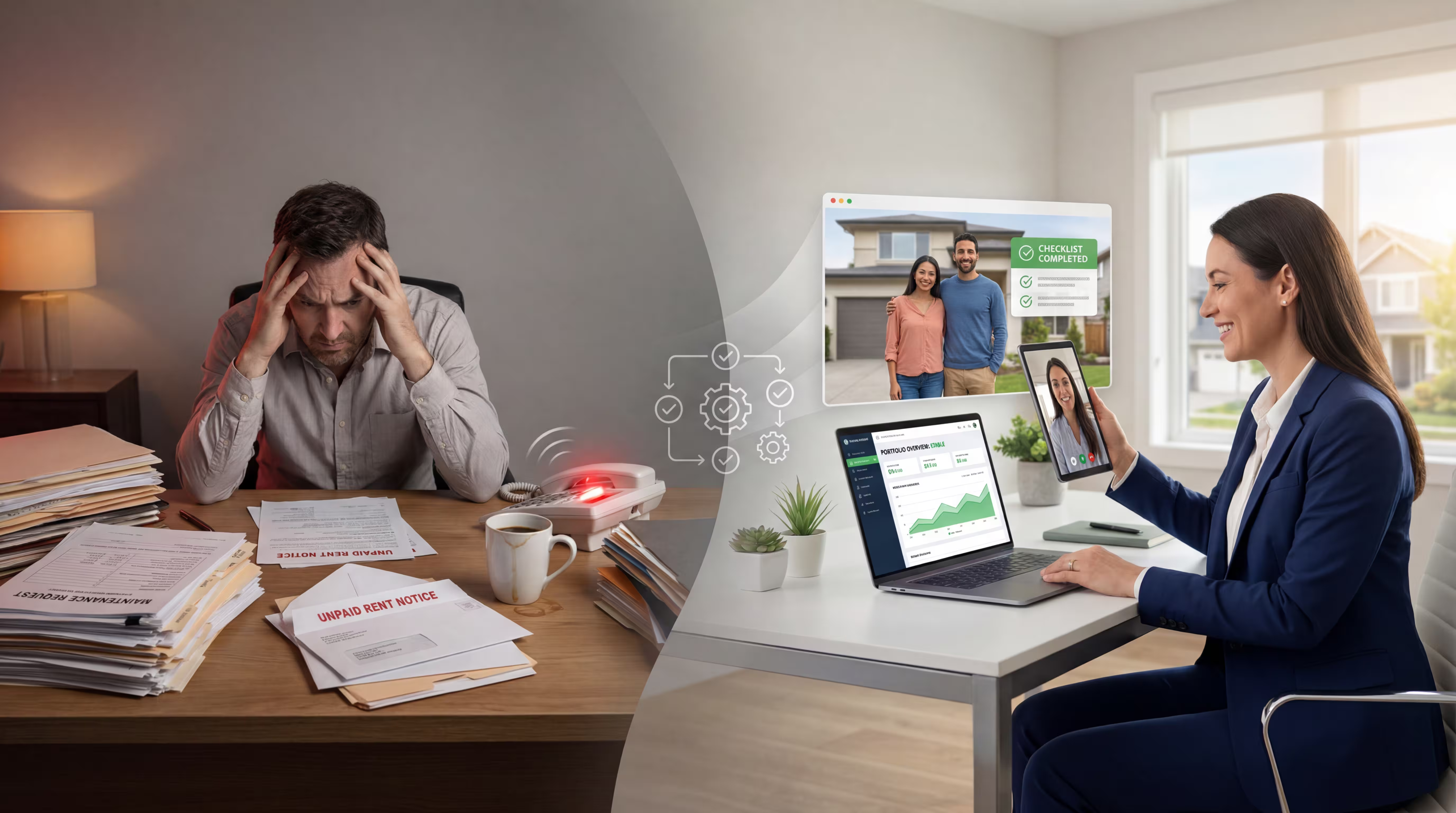
Two rental properties can be in the same area, have similar rents and virtually identical unit sizes, but perform drastically differently over time. One is always dealing with vacancies, complaints and turnover. The other has stable occupancy, less tenant problems and regular income.
The difference frequently isn’t the property itself, but the quality of the rental property management behind it. Good processes, communication and follow through are a big part of long term performance.” Without a framework for rental property operations, tiny problems can snowball into big problems impacting both tenant happiness and revenue.
Most landlords prepare for obvious expenses such as maintenance, taxes and insurance. What often catches them off guard are the hidden costs that come with frequent tenant turnover. A vacant unit does not just mean lost rent it often triggers a series of additional expenses that can quietly reduce profitability.
Over time, the true tenant turnover cost is often much higher than many landlords expect, especially when turnover becomes a recurring pattern rather than an occasional event.
Every Rental Property Will Have Turnover At Some Point But if tenants move often and in short periods of time, this often means operational problems and not poor luck. A high tenant turnover rate is a red flag that there’s an issue with your tenant experience or property management procedure that needs to be fixed.
Tenants expect clear communication throughout their tenancy. Delayed responses, missed follow-ups and unclear expectations can gradually create frustration, making tenants more likely to look elsewhere when their lease ends.
Small maintenance issues often become larger concerns when they are not addressed promptly. When tenants feel that repair requests are consistently delayed, confidence in the property begins to decline, increasing the likelihood of tenant turnover over time.
When leasing, communication, maintenance, and follow-up processes vary from one tenant to another, the overall experience becomes unpredictable. Structured systems, including effective tenant screening and placement, help create consistency from the beginning and contribute to stronger long-term tenant retention.
Stable rental properties rarely stay successful by accident. They are usually supported by consistent processes, responsive management and an organized approach that prioritizes the tenant experience. Over time, these factors help improve tenant satisfaction and reduce tenant turnover, creating more predictable rental performance.
Tenants are more likely to stay when expectations are clearly established from the beginning. Transparent communication about responsibilities, policies and lease terms helps prevent misunderstandings and creates a stronger landlord-tenant relationship.
Properties that receive regular attention often avoid many of the issues that lead to tenant frustration. Proactive oversight allows concerns to be identified early, helping maintain a positive living experience while supporting effective rental property management.
Tenants reliability. Consistent, timely responses and structured processes such as lease administration and renewals help create a more stable environment where tenants feel supported and are more likely to remain long term.
Keeping a rental unit occupied is crucial, but occupancy does not equal excellent property performance. Even with a steady stream of new tenants, a unit might nevertheless incur increased costs, disruptions of operations and repeated efforts to lease that harm the bottom line.
The true goal is to create an environment where good tenants want to stay longer. Stable tenancies reduce vacancies, increase cash flow predictability and lessen the continuous tenant turnover cost of marketing, screening, maintenance and move-outs. It’s impossible to avoid some turnover, but properties that focus on keeping tenants for longer periods tend to have better financial performance and less day-to-day intervention over time.
Many landlords assume that spending more time on a property automatically leads to better outcomes. In reality, the difference often comes down to having the right systems in place. Structured processes help prevent issues before they become larger problems, reducing the need for constant intervention.
Long-term rental success is seldom a result of one decision. It’s built over time with regular communication, timely maintenance, organized processes and a positive tenant experience. Properties that operate with structure generally experience less disruption, stronger tenant retention and more predictable financial performance.
No property can completely stop turnover, but many of the causes of unnecessary tenant turnover can be managed through proactive oversight and operational consistency. At Smart Key Property Management provides organizations and processes that create long-term stability in rental environments and work well for property owners and tenants.